

Comparing Rewards: Exploring the Benefits of Inclusion
In the realm of motivation and achievement, the rewards system plays a crucial role in influencing behavior and engagement. This article delves into the comparison between rewards that are included with inclusion and those that stand alone, focusing on the various outcomes each approach yields. Additionally, we will consider the implications of these rewards in educational settings, workplaces, and social environments. For a deeper insight into effective reward systems, visit Comparing Rewards Included With No Deposit Casino Bonus Free Spins https://www.trainstudy.no/.
The Importance of Rewards in Motivation
Rewards serve as powerful motivators, shaping individuals’ behaviors and encouraging them to pursue goals. In contexts ranging from education to corporate environments, the inclusion of rewards often determines the level of engagement and effort individuals are willing to exert. Rewards can be tangible, such as bonuses and grades, or intangible, such as praise and recognition.
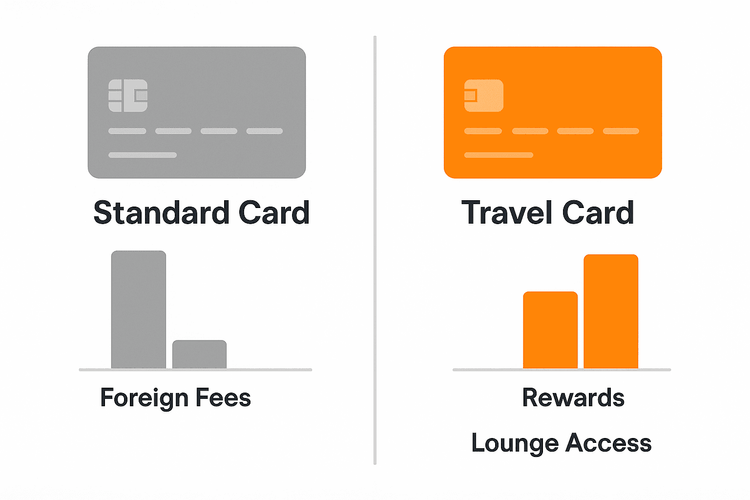
Understanding Inclusion vs. Exclusion of Rewards
When discussing rewards, it’s vital to distinguish between rewards included with inclusion and those without. Rewards included with inclusion often refer to a framework where individuals feel supported and valued as part of a community or group. In contrast, rewards without inclusion may promote competition rather than collaboration, leading to feelings of isolation among individuals.
The Benefits of Inclusive Rewards
Inclusion in reward systems has numerous benefits, both for individuals and organizations. Here are a few key advantages:
- Enhanced Motivation: Inclusive rewards create a sense of belonging, motivating individuals to contribute to group goals.
- Improved Collaboration: When rewards are distributed within a framework of inclusion, individuals are more likely to work together and support each other.
- Greater Engagement: Individuals who feel included are often more engaged in their tasks, leading to higher-quality outcomes and productivity.
- Increased Morale: Inclusive environments foster a sense of community, which can significantly enhance overall morale and workplace culture.
Examining Rewards Without Inclusion
On the other hand, rewards that are not tied to inclusive practices may yield mixed results. Exploring these can provide insights into their impact on motivation and engagement:
- Competition Over Collaboration: Rewards that are earned in isolation can lead to a cutthroat atmosphere, reducing teamwork and collaboration.
- Feelings of Alienation: Individuals may feel excluded or undervalued if they do not receive recognition, leading to disengagement.
- Short-Term Gains: While competition may drive short-term results, it often fails to foster long-term commitment or loyalty.
- Lack of Support: Individuals may be reluctant to ask for help or share ideas in a competitive atmosphere, stifling innovation and creativity.
Case Study: Rewards in Educational Settings
Consider the educational environment, where rewards are often implemented to motivate students. In inclusive classrooms, where rewards are used to recognize group achievements as well as individual accomplishments, students feel a stronger connection to their peers. This not only encourages academic collaboration but also builds interpersonal skills essential for future success.
In contrast, traditional educational settings that focus solely on individual rewards (e.g., top grades or high test scores) may promote a hostile environment where competition outweighs learning. Some students may disengage if they perceive that they cannot achieve the top spot. The solution lies in creating a system that balances individual recognition with group achievements.
Implementing Inclusive Reward Systems in the Workplace
Similarly, in the corporate world, the integration of inclusive reward systems can lead to greater workplace satisfaction. Companies that emphasize teamwork and collaborative efforts in their reward systems tend to enjoy lower turnover rates and higher employee satisfaction. Initiatives like team bonuses, peer recognition programs, and collective achievement awards can foster an inclusive atmosphere that encourages teamwork.
Moreover, many organizations are adopting holistic approaches to reward systems. By recognizing the importance of personal contributions while simultaneously rewarding collective efforts, businesses create an inclusive environment that nurtures collaboration and innovation.
The Role of Leadership in Reward Systems
Effective leadership is critical in shaping the culture of reward systems within any organization or setting. Leaders play a fundamental role in defining what behaviors are rewarded and how inclusion is perceived. By modeling inclusive behaviors and recognizing collective achievements, leaders can establish a blueprint for their teams to follow.
Conclusion: The Future of Rewards in Various Contexts
As we continue to explore the concept of rewards and their associated impacts, the evidence increasingly supports the notion that rewards included with inclusion yield more favorable outcomes across different contexts. From education to the workplace, the value of fostering a sense of community and belonging cannot be overstated. The challenge lies in finding the right balance between individual and collective rewards to enhance motivation, engagement, and success.
Ultimately, moving forward, it is essential for organizations, educators, and leaders to recognize the implications of their reward systems. Creating environments that value inclusion will not only elevate individual performance but also contribute to a more cohesive and successful society.