
Buy Native Cigarettes in Ontario Now – Trusted Local Smoke Shops
Have you ever wondered how to find authentic, tax-exempt Native cigarettes Ontario offers through Indigenous-owned retailers? Native cigarettes Ontario works as a direct connection to First Nations brands, letting you buy traditional tobacco products with a smooth, online ordering process. The key benefit is simple convenience—delivered to your door without the hassle of store visits. Just choose your preferred brand, confirm your Indigenous status, and enjoy a straightforward purchase experience that respects your community’s heritage.
What Exactly Are Native-Made Cigarettes in Ontario?
Native-made cigarettes in Ontario are tobacco products crafted by Indigenous manufacturers, typically on reserve lands, using their own distinct blends and production methods. Unlike mainstream commercial brands, these cigarettes are often characterized by a fuller, more robust tobacco taste, with some users noting a stronger, less filtered draw. They are sold directly to consumers through native-owned outlets, often at a lower price point due to their unique supply chain. What exactly sets them apart is their unadulterated, traditional-style tobacco, frequently using flue-cured leaves without many of the additives found in big-box brands. A quick Q&A: *What should a first-time buyer expect? Expect a drier, firmer cigarette that burns slower and delivers a bolder, earthier smoke than typical store-bought options, reflecting a more direct, raw product.*
How They Differ From Commercial Tobacco Brands
Native-made cigarettes in Ontario differ from commercial brands primarily in their unfiltered, additive-free composition, using only natural tobacco and water. This yields a sharper, more robust taste and a faster, fuller nicotine hit than the mellowed, chemical-laced profile of mass-market products. You also notice a drier, coarser texture that burns quicker, requires no humidification, and produces a distinct, earthy aroma. Their packaging is plain, lacking the flashy designs and health warnings that dominate commercial cartons, so you buy them for function, not branding. Crucially, the absence of the dozens of additives found in commercial cigarettes means a fundamentally different smoking experience from first draw to last.
In short, native-made cigarettes offer an unadulterated, stronger tobacco experience, stripped of commercial additives, flavorings, and branding.

The Core Ingredients and Manufacturing Approach
Native-made cigarettes in Ontario are defined primarily by their core ingredient profile and distinct manufacturing approach. These products typically use dark, air-cured tobacco leaves, which differ from the bright-leaf blends common in commercial brands, resulting in a stronger, more robust taste. The manufacturing method often involves a simpler, less automated process, with fewer additives and no chemical flavorings. Instead, natural moisture and the tobacco’s own oils are preserved, and the product is often produced in smaller batches to maintain a traditional, unprocessed character. This direct approach affects the burn rate and overall sensory experience, prioritizing the raw leaf’s natural properties over engineered consistency.
- Use of whole, dark air-cured tobacco leaves rather than blended or chemically treated filler.
- Minimal or no added humectants, sugars, or artificial flavoring agents.
- Smaller-scale, less industrialized rolling and cutting processes that preserve leaf integrity.
Why They Are Often Sold in Cartons and Bags
Native-made cigarettes in Ontario are frequently sold in cartons and bags primarily because of practicality and cost efficiency for both the buyer and the seller. Cartons group multiple packs, simplifying transport and storage for consumers who purchase in bulk, while resealable bags offer a loose, unpackaged format that reduces waste and lowers handling time at the point of sale. This packaging style also aligns with a straightforward, no-frills approach, minimizing individual pack production costs and passing the savings directly to the purchaser. For regular users, buying this way means fewer trips to the store and a consistent, ready supply. Bulk packaging for native cigarettes thus directly answers the demand for economical, no-frills acquisition.
Cartons and bags cut per-unit cost, simplify bulk transport, and reduce packaging waste, making them the standard practical format for native cigarette purchases.
Where to Buy Native Cigarettes Across Ontario
For native cigarettes Ontario, the most direct purchasing route is visiting smoke shops located on or near First Nations territories, such as those along highways near Tyendinaga, Six Nations, or Akwesasne. Across Ontario, these brick-and-mortar stores offer the widest selection, often including brands like Playoffs or DK’s, and typically operate with cash-only policies—so bring exact change. If you lack proximity to a reserve, several indigenous-owned online retailers ship province-wide, though you must verify they use discreet, adult-signature packaging for delivery. A practical tip: call ahead to confirm stock levels of specific cartons, as popular varieties sell out quickly after restock days. Always confirm the store’s physical address before driving, as some operations shift locations or operate from smaller kiosks. Prefer buying in person to avoid shipping delays, but remember that pricing varies notably between territories. Carrying a printed map of recognized reserve shops is wiser than relying solely on mobile data in remote northern regions.
On-Reserve Smoke Shops: What to Expect on Your First Visit
Your first visit to an on-reserve smoke shop in Ontario will feel straightforward once you know the flow. Expect a modest, no-frills storefront—often a standalone building or a section of a gas station—with product shelves arranged by brand and carton size. Bring cash; many shops operate cash-only, though some newer locations accept debit, so ask before loading up. You’ll typically walk in, browse a printed price list taped to the counter, and place your order directly with the clerk; a handful of shops keep inventory behind the counter, so you may need to name your preferred blend. For your first trip, follow this sequence:
- Check the posted hours—many close by 9 p.m. and are busiest mid-morning.
- Confirm the tax-free price per carton before you commit.
- Examine the packaging seal and stamp for authenticity before leaving.
- Ask about bulk discounts if you plan to buy more than two cartons.
Service is usually quick, but expect a short wait if the shop is busy with regulars. Staff are knowledgeable about local brands, so ask for a milder or stronger option if you’re unsure—they’ll point you to a suitable carton without pushing extras.
Online Ordering Options for Home Delivery
For consumers seeking native cigarettes Ontario home delivery, online platforms from recognized First Nations retailers provide a direct purchasing channel. Ordering typically requires selecting your preferred brand and carton quantity, then proceeding through a secure checkout that confirms your age and shipping address. Delivery timelines vary by distance from the dispatch point, with most orders arriving within five to ten business days via courier. Some sites offer flat-rate shipping or free delivery thresholds above a set carton count, making bulk orders more cost-effective. Before finalizing, verify whether the retailer ships to your specific postal code, as rural areas may face longer transit or additional fees compared to urban centres.
Key Factors to Verify Before Choosing a Retailer
Before committing to a purchase, verify the retailer’s physical storefront address matches their online presence, as many native cigarette Ontario sellers operate by word-of-mouth. Confirm they display a clear price list upfront, since rates vary widely by brand and bulk volume. Check product packaging for the manufacturer’s stamp or band—counterfeit goods often lack this mark. Ask about minimum order quantities and whether cash-only policies apply, as many independent shops do not accept cards. Finally, inspect return or exchange terms for damaged cartons. Authenticity verification starts with these checks:
- Cross-check contact details and hours
- Request a sample pack first
- Compare two retailers’ per-carton costs
- Read recent customer feedback on packaging condition
These steps reduce risk before any money changes hands.
How to Choose the Right Native Cigarette Product for Your Taste
When selecting native cigarettes Ontario, start by identifying your preferred strength—full-flavored varieties deliver a robust, earthy punch, while light or mild blends offer a smoother draw with less throat hit. Examine the tobacco cut: finely shredded options burn evenly for a consistent session, whereas coarse cuts provide a slower, more deliberate smoke. Sample smaller packs from different brands before committing, as each producer’s curing process shifts the natural sweetness or smokiness. Pay close attention to the wrapper’s moisture level—too dry and the taste turns harsh, too damp and it mutes the leaf’s character. Match the product to your pacing: if you smoke casually, go for a balanced blend; for regular use, choose a sturdier, drier roll that holds its flavor. Your palate is the only reliable judge, so prioritize personal experimentation over any label’s claims. Ultimately, rotate two or three trusted native cigarettes Ontario options to prevent flavor fatigue and keep your choice aligned with daily moods.

Full-Flavor vs. Light Versus Menthol: Reading the Descriptors

When scanning native cigarettes Ontario, the descriptors on the pouch tell the real story. Full-flavor blends deliver a robust, unadulterated tobacco taste with a heavier throat hit, ideal if you crave that traditional, earthy punch. Light varieties, often labeled as mild, use finer cuts or filtered tips to reduce intensity, but they still carry the natural leaf’s character—just with a softer finish. Menthol, meanwhile, adds a cooling veil that masks some of the smoky bitterness, making it smoother for sensitive palates. Don’t assume “light” means fewer toxins; it simply alters the sensory profile, not the core tobacco essence. Read the fine print for curing method and cut, as these affect burn rate and flavor depth more than any label.
| Descriptor | Flavor Profile | Best For |
|---|---|---|
| Full-Flavor | Bold, smoky, heavy draw | Longtime smokers seeking richness |
| Light | Mild, airy, subtle sweetness | Those reducing harshness |
| Menthol | Cool, minty, crisp finish | Fans of refreshment with each puff |
Comparing Filtered, King-Size, and Slim Varieties
When comparing filtered, king-size, and slim varieties among native cigarettes Ontario, your choice hinges on draw resistance and nicotine delivery. Filtered options offer a smoother inhale and reduced throat harshness, ideal for transitioning smokers. King-size versions provide a longer burn and fuller body, maximizing each session’s value with a robust, traditional taste. Slims, however, demand attention: their narrower diameter concentrates the smoke for a sharper, quicker nicotine hit, while producing less ash and a more discreet profile. For a balance of convenience and strength, king-size filtered native blends often outperform—delivering consistent flavor without the rapid burn of slims. Test each format against your smoking pace; a slow smoker benefits from king-size length, while a high-frequency user may prefer slims’ efficiency.

- Filtered varieties reduce lung irritation, making them easier on sensitive throats.
- King-size formats offer 20–30% more tobacco volume per cigarette, extending smoke time.
- Slims produce less secondhand smoke and are more discreet, but burn hotter.
- Match cigarette diameter to your usual draw strength—narrower means more resistance.
Buying in Bulk: Which Pack Sizes Offer the Best Value
When buying native cigarettes in Ontario, bulk pack sizes—typically cartons of 200 or 400 cigarettes—offer the lowest per-stick cost compared to single packs. A carton of 200 generally reduces the price by 15–25% versus buying four separate 25-packs, while 400-count cases (often split into two cartons) push savings further for regular smokers. However, the best value depends on your consumption rate; if you smoke less than a pack a week, a larger bulk buy may lead to stale product or wasted money. Compare the price per cigarette across 25, 50, and 200 formats—not just the total price—and factor in storage (a sealed bag or container preserves moisture). For most daily smokers in Ontario, 200-cigarette cartons deliver the optimal balance of savings and freshness.
Bulk buying works best at 200-cigarette cartons, balancing per-stick savings with manageable freshness; larger cases only pay off for heavy, consistent smokers.
Practical Tips for First-Time Users of Indigenous Tobacco Products
When trying Native cigarettes Ontario for the first time, start slow—take a few gentle puffs rather than deep inhales, as the natural tobacco is often stronger and less processed than commercial blends. Store your pack in a cool, dry place to keep the leaves from drying out, and always check the moisture level; if they feel brittle, a quick rehydration with a damp cloth inside the bag helps. Pair with a lighter, not matches, for a cleaner burn. Q: How do I avoid harshness? A: Exhale through your nose slowly and sip water between draws to ease the throat hit. This approach keeps your first experience smooth, grounded, and respectful of the product’s traditional roots.
How to Store Cartons to Preserve Freshness and Moisture
To preserve freshness and moisture when storing cartons of native cigarettes in Ontario, control humidity above all. Keep unopened cartons in a cool, dark place, ideally between 15–20°C, away from radiators or direct sunlight. For opened cartons, transfer cigarettes to an airtight glass jar with a dampened sponge or humidity pack, but never let the tobacco touch the wet surface directly. Follow this sequence: place a sealed carton in a resealable freezer bag, expel excess air, then store it on a low shelf where temperature fluctuates minimally. Check weekly for stiffness in the tobacco—if it cracks, add moisture; if it feels damp, air it briefly. Proper moisture-controlled storage prevents the dry, harsh smoke that ruins flavor. Avoid refrigerators, as condensation invites mold.
Understanding the Strength and Nicotine Profile Before You Smoke
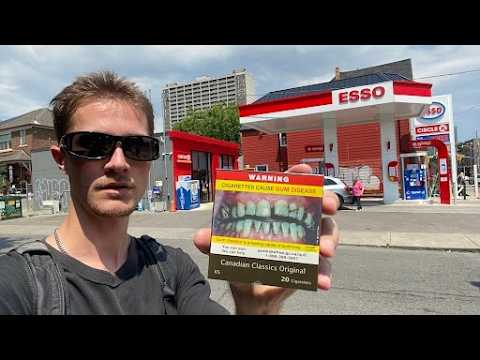
Before your first inhale, assess the specific strain or blend’s nicotine yield, as Indigenous products from Ontario often use air-cured leaf with higher freebase content than commercial brands. Start with a single short puff and wait five minutes to gauge dizziness or nausea, which indicates your tolerance threshold. Check the product’s packaging or retailer disclosure for nicotine percentage, typically ranging from 10–20 mg/g, and compare against your usual cigarette strength. Understanding the strength and nicotine profile before you smoke prevents overconsumption, especially since additive-free tobaccos deliver a sharper, faster absorption spike. If the blend includes stems or darker leaf, expect a harsher throat hit, so pace your inhalation depth accordingly.
What to Do if the Tobacco Tastes Harsh or Dry
If your native cigarette tastes harsh or dry, first assess its moisture content; overly dry tobacco burns hotter, producing acrid smoke. Rehydrate the pouch by placing a clean, damp sponge or apple slice in an airtight container for several hours, but avoid oversaturation, which causes an uneven burn. Alternatively, store the package with a commercial humidifier disc—this method preserves the tobacco’s natural Buy cigarettes online Canada sweetness. When smoking, slow your draw and reduce puff frequency, as rapid inhalation exacerbates the ammonia-like bite. If the dryness persists, crumble the tobacco finely and mix it with a few drops of maple syrup or honey, letting it rest overnight. This rehydration technique for harsh native tobacco restores smoothness without masking the spirit.
Diagnose dryness, rehydrate gently with a humidifier or fruit peel, smoke slowly, and mix in a natural sweetener if needed—never discard tobacco that can be revived.
Frequently Asked Questions About Buying and Using Native Brands in Ontario
When buying Native cigarettes Ontario, common questions center on product authenticity and purchase limits. Users frequently ask how to verify a legitimate Native brand; check for a visible band of the originating First Nation and proper packaging seals. Another frequent query concerns storage—keep cartons in a cool, dry place to preserve moisture, as dryness alters burn rate and taste noticeably. Buyers also ask about mixing brands; it is safe to switch between Native offerings, though strength varies by blend. Finally, regarding use, most ask if these cigarettes differ from commercial ones; they typically contain no additives, which affects harshness and requires adjusting inhalation depth. Always confirm the seller’s authorized status before completing a purchase.
Can You Legally Purchase These Cigarettes Without a Status Card?
You do not need a Status Card to legally purchase cigarettes sold by Native retailers in Ontario, provided you buy them on reserve land. These sales operate under a distinct legal framework tied to Indigenous sovereignty, not your personal status. Off-reserve, however, the transaction falls under provincial tobacco laws, making possession of unstamped product a potential offense. So, the practical answer is location-driven: walk onto a reserve, and purchase without a Status Card is lawful for anyone; walk off, and the legal protection vanishes. This isn’t a loophole but a jurisdictional reality you can rely on when buying for personal use directly from the source.
Yes, you can legally buy these cigarettes without a Status Card, but strictly on reserve territory—off-reserve purchases carry legal risk.
Are There Age Restrictions or Purchase Limits at Smoke Shops?
Yes, smoke shops selling native cigarettes in Ontario enforce a strict legal purchase age of 19, and you will be asked for photo ID regardless of how old you look. Purchase limits at smoke shops are less uniform—most reserve the right to cap large bulk orders, especially on cartons, to prevent resale, though daily personal-use quantities are rarely restricted. However, some shops may impose temporary limits during supply shortages, so confirming ahead is wise. Always ask the retailer directly about their specific policy, as limits vary by location and are at the store’s discretion, not a provincial rule.

How Do You Tell a High-Quality Native Cigarette From a Poor One?
Check the tobacco’s aroma and moisture first; a premium native cigarette smells naturally sweet and earthy, not harshly chemical, and the paper burns evenly without cracking. Inspect the ash: high-quality brands produce a firm, pale grey ash that holds together, while poor ones crumble with dark, patchy residue. Roll one between your fingers—a dense, uniform fill signals proper curing, whereas loose or lumpy tubes indicate rushed production. The draw should feel smooth and consistent, never clogged or airy, which reveals the leaf’s grind quality. Finally, taste the first puff for a clean, full-bodied smoke without a burning aftertaste. Identifying premium native cigarettes in Ontario relies on these tactile cues, not the packaging.
Judge by aroma, ash integrity, fill density, draw, and aftertaste—never the label—to separate quality native smokes from weak ones.